Restaurant Guide: Dos and Don'ts
Finding great restaurants and having good dining experiences involves knowing what to look for and what to avoid. Whether you're trying a new restaurant or planning a special occasion meal, these dos and don'ts help you make better choices and enjoy your dining experiences more.
DO Research Before You Go
Do check recent online reviews from multiple sources. Look for patterns in reviews rather than focusing on one or two comments. If many people mention slow service or great appetizers, that information is probably reliable.
Do look at the menu online before visiting. This helps you know if the restaurant serves food you like and fits your budget. Many restaurants post menus on their website or Google listing.
Do check if reservations are needed. Popular restaurants might require reservations days or weeks ahead, especially for prime dinner times. Calling ahead saves you from disappointment.
Do ask friends for recommendations. Personal suggestions from people with similar tastes are often more helpful than online reviews from strangers.
DON'T Ignore Warning Signs
Don't eat at restaurants that look dirty. If the dining area is unclean, the kitchen is probably worse. Trust your eyes and nose. Strange smells or visible dirt should send you elsewhere.
Don't overlook inconsistent reviews about food safety or cleanliness. One person complaining about an upset stomach might be coincidence, but multiple similar reviews suggest real problems.
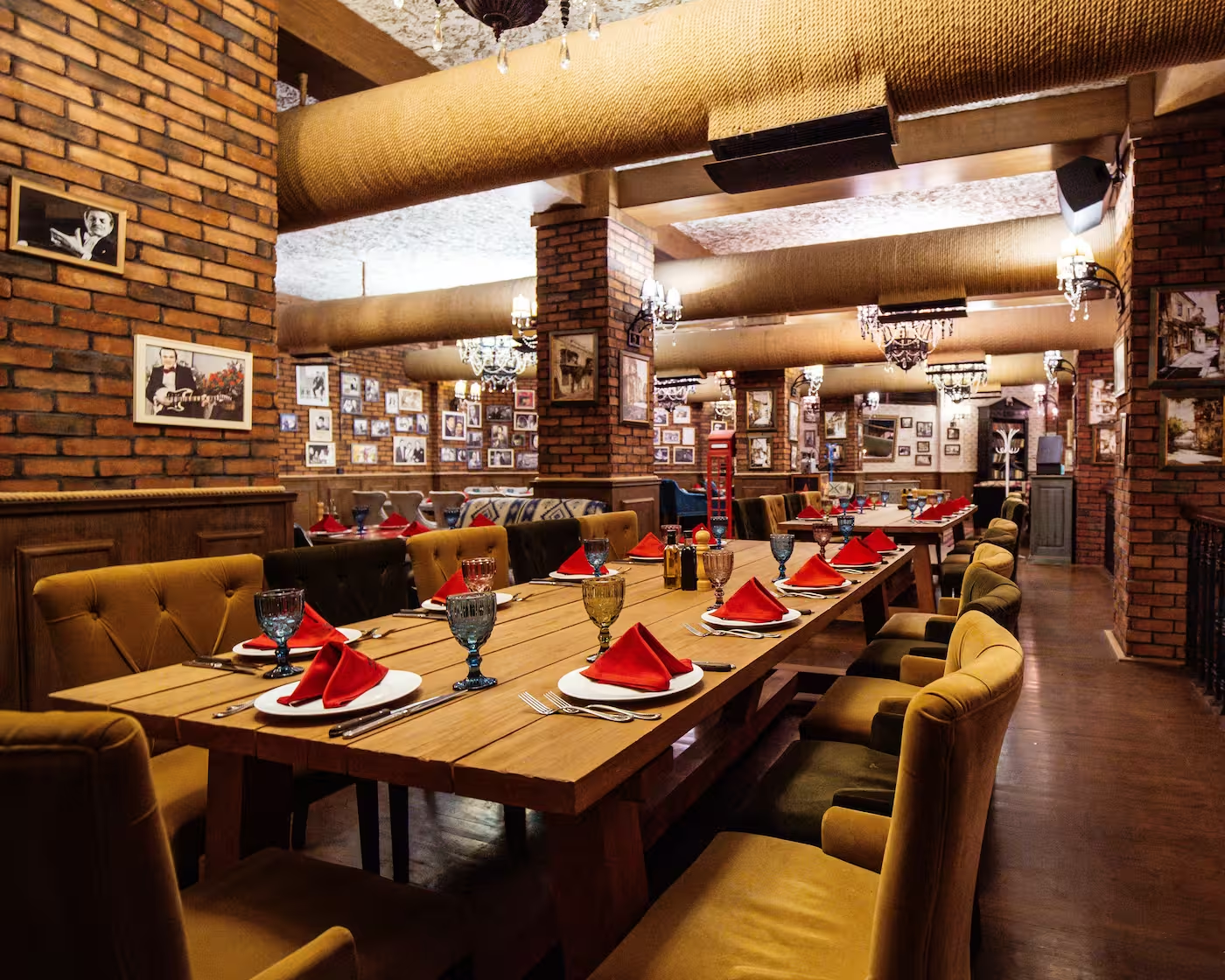
Don't assume fancy decor means good food. Some restaurants invest more in appearance than food quality. Simple, busy restaurants often serve better food than elaborate but empty places.
DO Consider the Occasion
Do choose appropriate restaurants for the situation. A noisy, casual spot works great for drinks with friends but might ruin a romantic dinner. A formal restaurant might make kids uncomfortable.
Do ask about noise levels if conversation matters. Open kitchens and hard surfaces create loud environments. Call ahead and ask if you need a quieter setting for business dinners or intimate conversations.
Do consider parking and location. A great restaurant isn't worth the stress if parking is impossible or the location is dangerous or inconvenient.
DON'T Forget About Dietary Needs
Don't assume restaurants can accommodate special diets without checking. Call ahead about allergies, vegetarian options, or other dietary restrictions. Good restaurants can usually accommodate requests with advance notice.
Don't be embarrassed to ask questions about ingredients. Your health is more important than feeling awkward. Good servers are happy to check with the kitchen about allergens or preparation methods.
Don't ignore cross-contamination if you have severe allergies. Some kitchens can't guarantee allergen-free preparation even if they have suitable menu items. Ask about their ability to prevent cross-contamination.
DO Communicate with Restaurant Staff
Do tell your server about celebrations. Many restaurants offer special touches for birthdays, anniversaries, or other occasions, but only if they know about them.
Do mention problems politely while you can still fix them. If food is cold, overcooked, or not what you ordered, tell your server right away. Good restaurants will make it right.
Do ask for recommendations if you're unsure what to order. Servers usually know what's especially good or what's popular.
Do tip appropriately for good service. In countries where tipping is customary, 15 to 20 percent is standard for good service. Exceptional service deserves more.
DON'T Make These Common Mistakes
Don't go to expensive restaurants extremely hungry and then over-order. You'll waste money and food. Look at the menu and plan what you'll order before hunger clouds your judgment.
Don't assume the daily special is actually special. Some restaurants use specials to sell ingredients they need to use up. Ask what makes it special and whether it's actually a good value.
Don't let peak times ruin your experience. Restaurants are often overwhelmed during rushes. If you want the best food and service, go during off-peak hours when the kitchen isn't stressed.
Don't forget to check bills before paying. Mistakes happen. Make sure you weren't charged for items you didn't order and that automatic gratuity wasn't added if you already tipped.
DO Try New Things Wisely
Do be adventurous with appetizers or side dishes. Trying unfamiliar foods is less risky in small portions. If you don't like it, you haven't ruined your meal.
Do ask about portion sizes if you're trying new cuisines. Some restaurants serve family-style portions, while others serve individual meals. You don't want to over-order or leave hungry.
Do read restaurant descriptions of dishes. Terms like "spicy," "rich," "light," or "crispy" help you know what to expect. Don't assume dishes will be prepared like similar items at other restaurants.
DON'T Overlook Value
Don't confuse expensive with good. Price doesn't always reflect quality. Some affordable restaurants serve excellent food while some expensive places disappoint.
Don't ignore lunch specials or early bird discounts. Many restaurants offer the same quality food at lower prices during off-peak times.
Don't assume all menu items are equally good. Most restaurants have signature dishes that are notably better than others. Ask what they're known for or what the chef recommends.
DO Support Good Restaurants
Do leave positive reviews for restaurants you enjoy. Good restaurants deserve recognition, and your review helps other diners find them.
Do become a regular if you find a great spot. Restaurants often treat regulars especially well, and you'll build relationships with staff.
Do recommend favorite restaurants to friends. Word-of-mouth support helps good local restaurants survive and thrive.
Learn More: