Understanding Food and Beverage Services
The food and beverage industry includes restaurants, cafes, catering companies, food trucks, bars, bakeries, and food suppliers. Whether you're looking for a place to eat, planning an event that needs catering, or starting a food business that needs suppliers, understanding this industry helps you make better choices.
Restaurant Types and What They Offer
Fine dining restaurants provide upscale experiences with carefully prepared food, elegant settings, and formal service. Expect higher prices and often a dress code. These work well for special occasions and business dinners.
Casual dining restaurants offer table service in a relaxed atmosphere. The food quality is good without fine dining prices. These family-friendly spots work for everyday meals and informal gatherings.
Fast casual restaurants bridge the gap between fast food and casual dining. You order at a counter but get better quality food than traditional fast food. Prices are moderate and service is quick.
Quick service restaurants (fast food) focus on speed and low prices. Food is prepared ahead or made very quickly. While not usually the healthiest option, they're convenient and budget-friendly.
Cafes and coffee shops serve beverages, light meals, and baked goods. Many people use them for casual meetings or as places to work. They're usually less expensive than full restaurants.
Catering Services Explained
Full-service caterers handle everything for events. They provide food, serve it, supply dishes and utensils, and clean up. Some even help plan menus and coordinate with other vendors. This convenience costs more but reduces your stress.
Drop-off catering delivers prepared food to your location. You handle serving and cleanup. This costs less than full service but requires more work on your end. It works well for informal office lunches or casual parties.
Specialty caterers focus on specific cuisines or dietary needs. You might find caterers who only do vegan food, barbecue, ethnic cuisines, or wedding cakes. Their expertise in their niche often means better quality than general caterers.
Food Suppliers and Wholesale Options
Food distributors sell ingredients and supplies to restaurants and businesses. Some also serve individuals buying in bulk. You can often get better prices than retail stores, but minimum order requirements might apply.
Specialty food suppliers focus on specific products like organic produce, imported ingredients, or craft beverages. These suppliers help restaurants and specialty stores offer unique items you won't find everywhere.
Beverage distributors supply everything from soft drinks to wine and spirits. Restaurants usually work with distributors rather than buying from stores because of better pricing and delivery convenience.
Choosing Food Service Providers
For restaurants, check recent online reviews focusing on food quality, service, and cleanliness. A few bad reviews are normal, but patterns of similar complaints should raise concerns.
Visit restaurants at different times if possible. A place that's great for dinner might be disappointing at lunch, or vice versa. Quality can vary depending on which chef or crew is working.
For catering, always taste the food before committing to a large event. Most caterers offer tastings. If they won't let you sample their food first, find a different caterer.
Ask caterers about their experience with events your size. A caterer who does great work for parties of 20 might struggle with an event of 200. Make sure they have adequate staff and equipment for your needs.
Food Safety Considerations
Check health department inspection scores. Most areas publish restaurant inspection results online. While one minor violation isn't necessarily a problem, repeated violations or serious issues should make you choose elsewhere.
Ask about food allergies and dietary restrictions early. Good food service providers take allergies seriously and can accommodate most common dietary needs. Be very clear about any allergies when ordering or planning events.
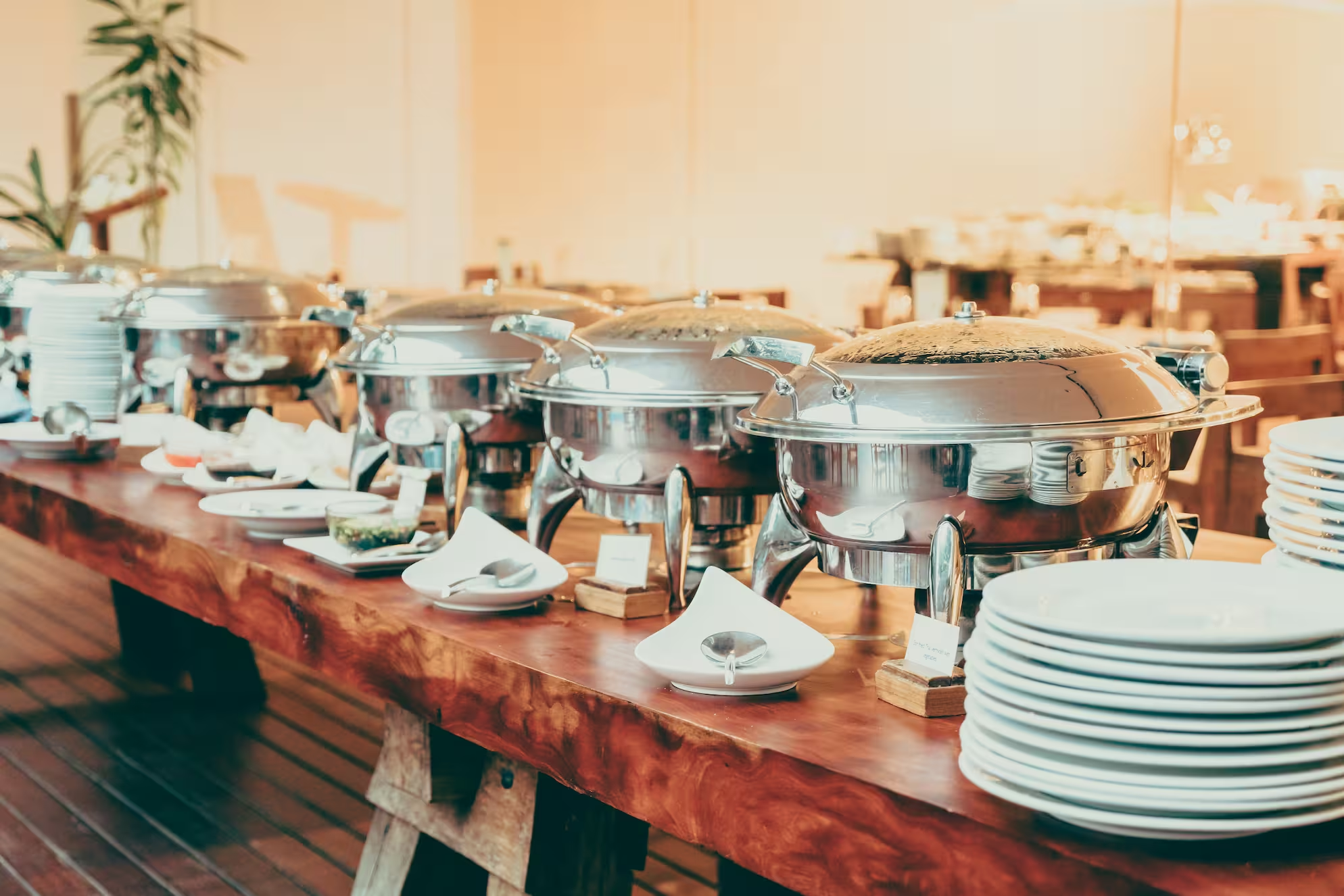
For catering, confirm how food will be kept at safe temperatures during your event. Food sitting at room temperature for too long can cause illness. Professional caterers have equipment to keep hot food hot and cold food cold.
Getting Good Value
Price isn't everything in food service. The cheapest option might use lower quality ingredients or cut corners on service. Focus on value (what you get for the price) rather than just low cost.
Ask about portion sizes when comparing catering quotes. One caterer might charge less per person but provide smaller portions. Make sure you're comparing similar amounts of food.
Understand what's included in quoted prices. Does catering include plates and utensils? Is tax and gratuity included in restaurant prices? Are beverage refills free? Hidden costs can make a cheap quote more expensive than it first appears.
Learn More: