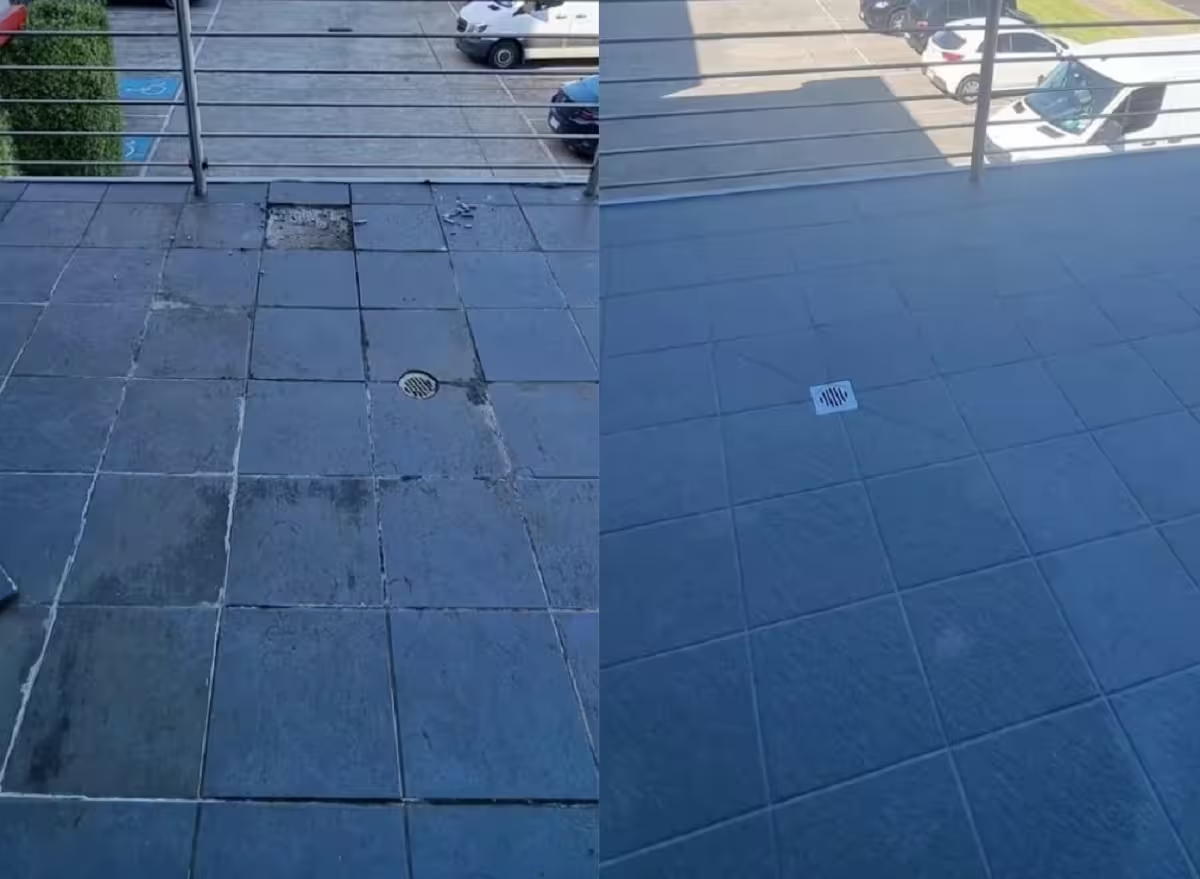
Regrout vs Reseal vs Retile (quick guide)
| Symptom | Best option | Why |
|---|---|---|
| Grout missing, crumbling, or permanently stained | Regrout | Restores structure, water resistance, and appearance |
| Grout intact but edges/corners are mouldy | Reseal (silicone) | Silicone handles movement; mould often starts here |
| Loose/cracked tiles or damaged substrate | Retile | Structural issue regrouting alone won’t fix it |
How Professionals Regrout a Shower (step-by-step)
- Protect fittings and surfaces; set up ventilation.
- Remove old grout to the correct depth with specialist tools (dust minimised).
- Vacuum and wipe joints clean; allow to dry.
- Mix epoxy or sanded grout per spec; pack joints fully and tool neatly.
- Clean haze at the right timing; allow initial cure.
- Apply silicone at all changes of plane (corners, tray edges, niches).
- Final inspection; advise cure times before wet use.
Pro tip: Many epoxies do not require sealing. Always follow product guidance.
Common Mistakes Homeowners Make
- Using cement grout in heavy-use wet zones where epoxy performs better.
- Skipping silicone in corners. Grout can crack where surfaces move.
- Cleaning with bleach/acids that weaken grout; use pH-neutral products instead.
- Sealing everything blindly. Epoxy often doesn’t need additional sealer.
- Poor ventilation; humidity breeds mould. Improve extraction and wipe down after showers.
Simple Maintenance Schedule
- Weekly (90 seconds): pH-neutral clean + quick dry of corners/edges.
- Monthly: inspect for pinholes, cracks, or lifting silicone.
- 6–12 months: refresh silicone in heavy-use wet corners if needed.
- When stains persist or grout erodes: book professional regrouting.
FAQs About Grouting Services
How long does regrouting last?
With the right material (often epoxy in wet areas) and good ventilation, regrouting lasts for years before cosmetic refresh is needed.
Epoxy vs Sanded Grout, What’s the Difference?
Epoxy resists water and stains best; ideal for showers. Sanded suits wider joints in dry or light splash areas.
Can I Shower the Same Day?
Usually no, allow grout and silicone to cure. We’ll advise exact timing based on products and conditions.
Do You Replace Silicone Only?
Yes. If grout is sound, we can strip and replace silicone to refresh edges and prevent leaks.